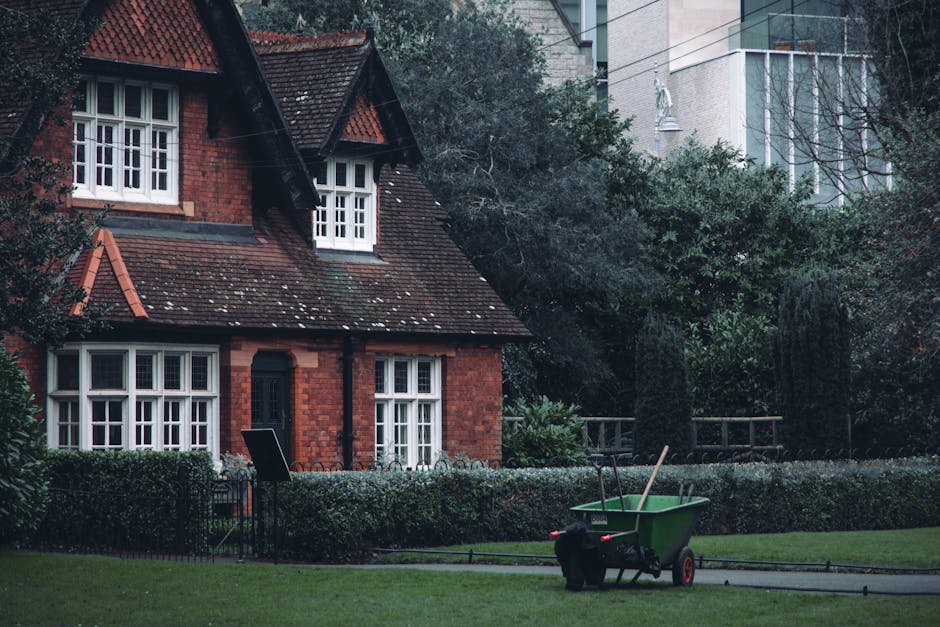
Garden services in Orpington for Aperfield homeowners: a practical guide to keeping your outdoor space tidy, usable, and looking its best
If you live in Aperfield and you've ever looked out at a lawn that needs attention, a hedge that has outgrown its welcome, or a patio that's gone a bit mossy after a wet spell, you're not alone. Garden services in Orpington for Aperfield homeowners are often about more than "making it neat" - they help you reclaim time, reduce stress, and keep your outdoor space working properly through the seasons. And let's face it, gardens have a way of quietly getting on top of you if you leave them for a few weeks.
This guide explains what garden services usually include, how the process works, which options make sense for different homes, and what to watch out for when choosing the right help. You'll also find practical tips, a comparison table, a checklist, and a few local-friendly pointers that can save you hassle later on.
Key takeaway: the best garden service is the one that matches your space, your budget, and your long-term maintenance goals - not just the one that turns up with a mower.
Why Garden services in Orpington for Aperfield homeowners Matters
Aperfield homeowners often want gardens that feel private, manageable, and pleasant to use rather than endless outdoor projects waiting for a free weekend. That's where regular, well-planned garden work makes a real difference. It isn't only about appearance. It's about keeping plants healthy, preventing overgrowth, improving safety, and making sure the garden fits the way you actually live.
In suburban and semi-rural settings, gardens can change fast. A hedge grows a little more than expected. Weeds appear in gravel or borders. The lawn starts looking tired. Dead growth piles up after a storm. None of it is dramatic on its own, but together it can make the whole space feel neglected. A proper service plan helps you stay ahead rather than catch up.
There's also a practical side many people overlook: routine care can make larger jobs less likely. For example, keeping an eye on trees and hedging can reduce the need for urgent work later, while periodic clearing can prevent slippery paths, blocked drainage around hard surfaces, and pest-friendly clutter. If your garden has areas that feel impossible to tame, you might also find it useful to explore regular garden maintenance support as a foundation, then build out from there.
Truth be told, the strongest gardens are usually not the most extravagant ones. They're the ones that are looked after consistently. A simple trim here, a tidy-up there, a bit of soil care, and suddenly the whole place feels calmer.
How Garden services in Orpington for Aperfield homeowners Works
Most professional garden services begin with a look at the site and a conversation about what you want the garden to do. Some homeowners need weekly lawn help. Others want a seasonal clear-up, hedge trimming, or help with a one-off improvement project. The best approach depends on the condition of the space and how much upkeep you want to handle yourself.
A typical process looks something like this:
- Initial assessment: the garden is reviewed for size, access, existing plants, problem areas, and any safety issues.
- Prioritisation: the most urgent tasks are identified first, such as overgrown hedges, weed pressure, patchy lawn areas, or unsafe debris.
- Work planning: the service is matched to the season and your goals. A winter cut is not the same as a summer tidy-up, and that's worth remembering.
- Delivery: tasks are completed with the right tools and methods, whether that means mowing, pruning, clearance, soft landscaping, or hard surface cleaning.
- Aftercare advice: you should get simple guidance on how to maintain the results and when to book the next visit.
For homeowners with outdoor spaces that need more than basic upkeep, services can branch into specialist areas such as lawn mowing, lawn care, hedge trimming in Aperfield, patio cleaning, tree surgery, fencing, and landscaping. That mix matters because few gardens need just one thing. Usually it's a combination.
If you're not sure where to begin, start with the part of the garden that bothers you most when you step outside. That's often the clue.
Key Benefits and Practical Advantages
The biggest benefit is obvious: a better-looking garden. But that's only the surface. Good garden services give you a more usable, safer, and easier-to-manage outdoor space. You stop feeling behind. You start using the garden again.
- More usable space: trimmed edges, clear paths, and healthier planting make the garden feel bigger and more welcoming.
- Less stress: when the heavy work is taken care of, you can enjoy the space instead of constantly planning what needs doing next.
- Better plant health: pruning, feeding, soil improvement, and correct timing all help plants recover and thrive.
- Improved privacy: carefully managed hedges and climbers can create a calmer, more secluded feel without making the garden look boxed in.
- Seasonal resilience: preparation for wind, rain, frost, and drought can reduce damage and help the garden bounce back faster.
- Safer surfaces: moss, slick paving, and overhanging growth can be dealt with before they become a nuisance or a slip risk.
Some of the most satisfying improvements are surprisingly simple. A clean patio, a better cut line on the lawn, or a hedge shaped properly can change the feel of a whole property. That's not hype. You notice it the minute you step out the back door.
For gardens that need a gentler, lower-effort approach, it can also help to consider longer-term ideas such as low-maintenance garden strategies and practical planting choices like ground covers suited to UK gardens. Those options reduce workload without making the garden feel bare.
Who This Is For and When It Makes Sense
Garden services in Orpington for Aperfield homeowners make sense for a wide range of households, not just busy professionals. In our experience, the decision often comes down to time, physical effort, or the scale of the job.
You may be a good fit if:
- your garden has become too large to manage comfortably on your own;
- you want a better-looking outdoor space but do not want a full redesign;
- you need seasonal clearance after winter, storms, or a period of neglect;
- you've inherited a garden and you're not sure where to start;
- you want regular upkeep so things don't spiral;
- you have trees, hedges, or overgrowth that need specialist attention;
- you're planning to rent, sell, or refresh the property and need the outside to look cared for.
It also makes sense if you're creating a family-friendly or pet-friendly garden. Those spaces need a bit more thought. Paths need to be clear. Plants need to be selected carefully. And, to be fair, nobody wants a lovely patio that becomes a magnet for slippery algae just when guests arrive.
Some homeowners only need one-off help a few times a year. Others benefit from a recurring plan. If you're unsure which is right for you, look at how quickly the garden reverts between visits. That tells you more than a vague guess ever will.
Step-by-Step Guidance
If you want to get the most from a garden service, a little preparation goes a long way. Here's a straightforward way to approach it.
- Walk the garden with fresh eyes. Note what looks overgrown, what feels unsafe, and what you wish worked better. Be honest - that patch at the back you keep ignoring counts.
- Separate "must do" from "nice to do". Urgent tasks might include hedge reduction, weed control, or clearing blocked access. Nice-to-do tasks could be border shaping or plant refreshing.
- Think seasonally. A spring tidy-up, summer maintenance visit, autumn leaf clearance, and winter prep are all different jobs. The timing matters more than people think.
- Ask for the service mix you actually need. You might need lawn care plus weed treatment, or hedge work plus clearance. Don't assume one visit covers everything.
- Check access and disposal. If the garden has tight side access, uneven paths, or a lot of waste to remove, mention it upfront. It saves hassle on the day.
- Agree the expected finish. "Tidy" can mean different things to different people. Ask what is included, what is not, and whether green waste is removed.
- Review and maintain. Once the work is done, decide whether you want a repeat visit, a lightweight upkeep plan, or occasional specialist help.
If the garden has stubborn issues like tree stumps or invasive growth, bring those up early. For example, some homeowners start with a stump and only later realise it's affecting planting, access, or design plans. A useful starting point is natural methods for removing tree stumps, especially if you're trying to understand your options before committing to heavier work.
One small tip from real life: if you can, take a couple of photos of the garden before you contact anyone. It helps you explain the problem without forgetting half of it by the time you're on the phone.
Expert Tips for Better Results
A good garden service does more than react to problems. It creates conditions that make future upkeep easier. That's the difference between a quick tidy and a genuinely useful job.
- Work with the natural shape of the garden. If a hedge line or border already guides the eye, keep it clean and consistent rather than forcing an awkward new shape.
- Don't overcut everything at once. Heavy pruning can stress plants. A steady, seasonal approach is usually safer and looks better.
- Control weeds before they spread. Once weeds seed, the job gets harder. Early attention is usually cheaper and less frustrating.
- Use planting to solve problems. Dense climbers, evergreen screening, and suitable ground cover can reduce bare spots and improve privacy.
- Make hard landscaping easier to maintain. Clean paving, sensible edging, and accessible paths all cut down on future work.
- Keep a weather eye on things. Wind, heavy rain, and frost can undo good work quickly. A little prep before bad weather is worth it.
There's also a style point people overlook: if you want a garden that feels calm, not crowded, choose structure carefully. A few strong features usually work better than a dozen small ones. The same goes for planting. Too much variety can make maintenance a bit chaotic.
If you enjoy more decorative or lifestyle-led outdoor spaces, you might also find inspiration in garden seating ideas, zen garden ideas, or even starting a herb garden. Those aren't just decorative touches - they can make the garden feel lived-in and useful.
Common Mistakes to Avoid
Most garden headaches come from a handful of predictable mistakes. Luckily, they're fixable.
- Booking only when things are already out of control: by then, the work is bigger, slower, and often more expensive.
- Choosing services without defining the goal: a tidy lawn and a full redesign are very different things.
- Ignoring access issues: narrow side returns, locked gates, or fragile borders can affect how the work is done.
- Cutting hedges at the wrong time or too hard: not every hedge responds well to the same treatment. Timing matters.
- Leaving debris and weeds behind: the garden may look "done" for a week, then slide back quickly.
- Using the wrong plants for the conditions: lovely-looking plants can become a headache if the site is windy, shaded, or dry.
- Assuming all maintenance is the same: lawn care, hedge work, and tree work each need different tools and judgement.
Another common one? Thinking a garden only needs work in spring. Not really. Winter prep, summer control, and autumn cleanup can matter just as much. If you've ever tried to rescue a garden after a grim January, you'll know what I mean.
For recurring weed trouble, it's worth reading about practical weed control methods rather than waiting for a full takeover. Small actions early on save a lot of cursing later.
Tools, Resources and Recommendations
You do not need a shed full of kit to keep a garden in decent shape, but the right tools make a big difference. For homeowners who like to stay involved, a compact set of basics is usually enough.
- sharp hand shears for light trimming;
- loppers for thicker branches;
- a sturdy rake for leaves and thatch;
- a mower suited to your lawn size;
- gloves that actually fit properly;
- a stiff brush for patios and paths;
- bags or bins for green waste;
- a watering can or hose for new planting and dry spells.
If you are building a more self-sufficient maintenance routine, a smart next step is to look at must-have gardening tools and then decide what you genuinely use. Not what looks impressive. What you use.
For heavier jobs, specialist help can be a better use of time and safer overall. That is especially true for tree work, fencing repairs, awkward slopes, or large-scale reshaping. If the garden has multiple problem areas, a service package can be more efficient than handling each job separately.
It can also help to think beyond maintenance and into garden improvement. A small change such as adding evergreen climbers for darker corners or using ground cover plants can reduce bare soil and cut maintenance too. Clever, really.
Law, Compliance, Standards, or Best Practice
For most homeowners, garden services are straightforward, but there are still sensible standards to keep in mind. If work involves trees, fencing boundaries, waste removal, access, ladders, power tools, or anything that could affect neighbours, it should be handled carefully and professionally.
Good practice usually means:
- working safely around people, pets, and property;
- using suitable equipment for the task;
- protecting fragile surfaces and planting where possible;
- removing waste responsibly;
- being clear about what work is included;
- taking care with shared boundaries and overhanging growth;
- keeping communication simple and transparent.
If tree work is involved, it is sensible to ask how the job will be assessed and what safety controls are used. For general reassurance, a provider should also have clear policies around insurance and safety and a straightforward health and safety policy. Those things may sound dry, but they matter when heavy tools or awkward access are involved.
It is also normal to look for clear service terms, payment expectations, and complaint handling. That protects both sides and reduces confusion. You can check terms and conditions, payment and security information, and the complaints procedure before booking. If you need pricing clarity first, pricing and quotes is the obvious place to start.
None of that is flashy, but it is the boring stuff that helps the whole job go smoothly. And boring, in this case, is good.
Options, Methods, or Comparison Table
Different gardens need different levels of input. Here's a simple comparison to help you judge what kind of service might suit your home.
| Option | Best for | Typical focus | Pros | Watch out for |
|---|---|---|---|---|
| One-off tidy-up | Overgrown or neglected gardens | Clearance, trimming, reset | Fast visible improvement | Problems can return if not maintained |
| Regular maintenance | Busy households and rental properties | Lawn, hedges, weeds, borders | Predictable, easier upkeep | Needs scheduling discipline |
| Seasonal service | Gardeners who want help a few times a year | Spring clean, autumn prep, winter checks | Cost-conscious, flexible | Less control between visits |
| Specialist intervention | Trees, fences, landscaping changes, hard surfaces | Targeted skilled work | Solves more complex issues | May need more planning |
If you want a more private or sheltered feel, it can be worth combining maintenance with planting and structure. A hedge does not need to be massive to be useful. A well-chosen screen can do the job beautifully. Related reading such as fast-growing hedges for a secluded retreat can help if privacy is part of your brief.
For some homeowners, the right answer is not "more work" but "better design". That's where decking services or focused gardening services can sit alongside routine upkeep. It's a practical blend, not an either-or choice.
Case Study or Real-World Example
Here's a realistic example from the sort of project many Aperfield homeowners face. A family had a back garden that looked fine from a distance, but up close it was doing that classic "quietly becoming a problem" thing. The lawn was patchy, the hedge was leaning into the path, weeds were appearing through the edges of the patio, and a dead corner near the fence had turned into a dumping spot for old pots and branches.
They did not need a full redesign. They needed a reset.
The work was tackled in stages: clearing the dead material, trimming the hedge back to a manageable line, cleaning the patio, improving the lawn edges, and then deciding what the awkward corner should become. In the end, that corner was turned into a smaller planting bed with a simple structure rather than being left to collect mess again.
The noticeable change was not just visual. The garden became easier to walk through, easier to water, and easier to keep tidy. That's often the quiet win people want but don't always say out loud. Less faff. More garden.
A second example came from a homeowner who wanted more privacy but did not want a heavy build. Rather than installing a tall solid barrier straight away, they used a combination of hedge work, selective planting, and a cleaner boundary line. If you're weighing that kind of decision, garden renewal ideas can be a helpful way to think it through before committing to big changes.
Practical Checklist
Use this before you book or plan garden work:
- Identify the main issue: lawn, hedge, weeds, trees, patio, fencing, or overall overgrowth.
- Decide whether you need one-off help or ongoing maintenance.
- Take a few photos of the areas that need attention.
- List any access issues, locked gates, or fragile surfaces.
- Note any pets, children, or special safety considerations.
- Think about seasonal timing: spring, summer, autumn, or winter prep.
- Ask what waste removal is included.
- Check whether the service is suitable for the type of work you need.
- Review safety, insurance, payment, and terms before confirming.
- Agree what "finished" should look like, so expectations are clear.
If your garden is mainly about making life simpler, that's fine. It does not have to be an elaborate project. A cleaner, calmer, more manageable outdoor space is a very good result on its own.
Get a free quote today and see how much you can save.
Conclusion
Garden services in Orpington for Aperfield homeowners are about practical value first and visual impact second - though the visual part is lovely too. Whether you need mowing, hedge care, clearing, cleaning, fencing help, or a broader garden refresh, the best results come from choosing work that matches your actual space and routine.
Start small if you need to. Focus on the areas that matter most. Build from there. A tidy, healthy, usable garden is not reserved for people with endless time or a perfect plan. It's usually the result of good timing, sensible choices, and a bit of consistent care.
And once the garden feels under control again, you tend to use it more. Sit outside longer. Notice the birds. Hear the wind in the hedging. That's the good bit, really.
Frequently Asked Questions
What do garden services in Orpington for Aperfield homeowners usually include?
They commonly cover lawn mowing, hedge trimming, weed control, border tidying, patio cleaning, tree-related work, fencing, and broader maintenance. Some homeowners also book one-off clearance or seasonal prep.
How often should I book garden maintenance?
It depends on the size of the garden and how fast it grows. Many homeowners choose monthly, fortnightly, or seasonal visits. If the garden gets on top of you quickly, regular maintenance is usually easier than repeated rescue jobs.
Is one-off garden clearance worth it?
Yes, especially if the space has become overgrown or cluttered. A good clearance can reset the garden and make future upkeep much easier. It's often the quickest way to get momentum back.
Do I need specialist help for hedge trimming?
If hedges are tall, thick, awkwardly placed, or part of a boundary, specialist help is often the safer option. You can read more about local hedge work through hedge trimming in Aperfield.
What's the difference between lawn mowing and lawn care?
Lawn mowing is the cut itself. Lawn care is broader and may include feeding, aeration, scarifying, weed treatment, and general improvement. If your lawn is patchy or tired, lawn care is often the better long-term option.
Can garden services help make my garden more private?
Yes. Hedges, climbers, layered planting, and smart boundary work can improve privacy without making the garden feel boxed in. A thoughtful approach often works better than a tall single screen.
Are patio cleaning services useful in wet weather areas?
Definitely. Damp conditions encourage moss, algae, and general slipperiness on paving. Regular cleaning helps keep the surface safer and makes the whole garden look fresher.
Should I book tree surgery if a tree is overhanging my garden?
If the tree is large, diseased, unstable, or affecting structures, a qualified assessment is sensible. Tree work is not something to guess at. It's better to be careful than brave.
How do I know if I'm paying for the right service?
Ask what is included, what is excluded, whether waste is removed, and how the result will be finished. Clear quotes and service terms help avoid awkward surprises later.
What should I do before a garden team arrives?
Move personal items, unlock gates if needed, point out delicate plants or hazards, and explain your priorities. A quick five-minute walk-through can make the job much smoother.
Can garden services work around pets and children?
Yes, as long as safety is discussed beforehand. If your garden is used by pets or children, say so clearly. That affects tool use, plant choices, temporary access, and the order of work.
Where should I start if my garden feels overwhelming?
Start with the biggest visual or practical problem. For many people that is overgrown hedging, a messy lawn, or a blocked patio. Once the first problem is solved, the rest usually feels more manageable.
If you're ready to tidy, refresh, or fully reset your outdoor space, speaking with a local team is a sensible next step. Small improvements add up quickly, and a well-kept garden has a way of making the whole home feel lighter.