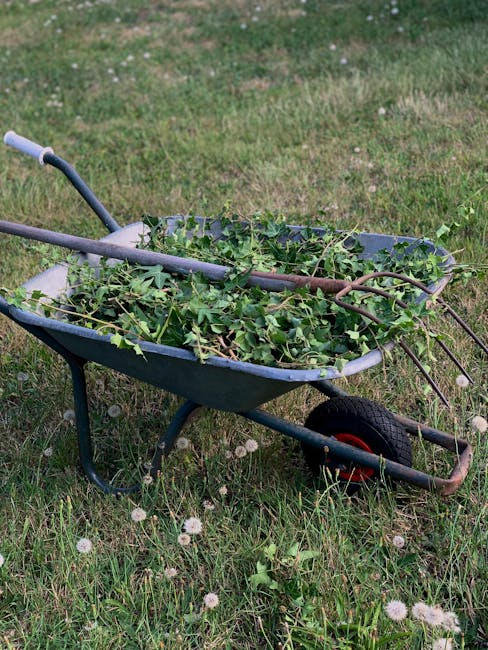
Cudham garden clearance by Aperfield gardeners same day help
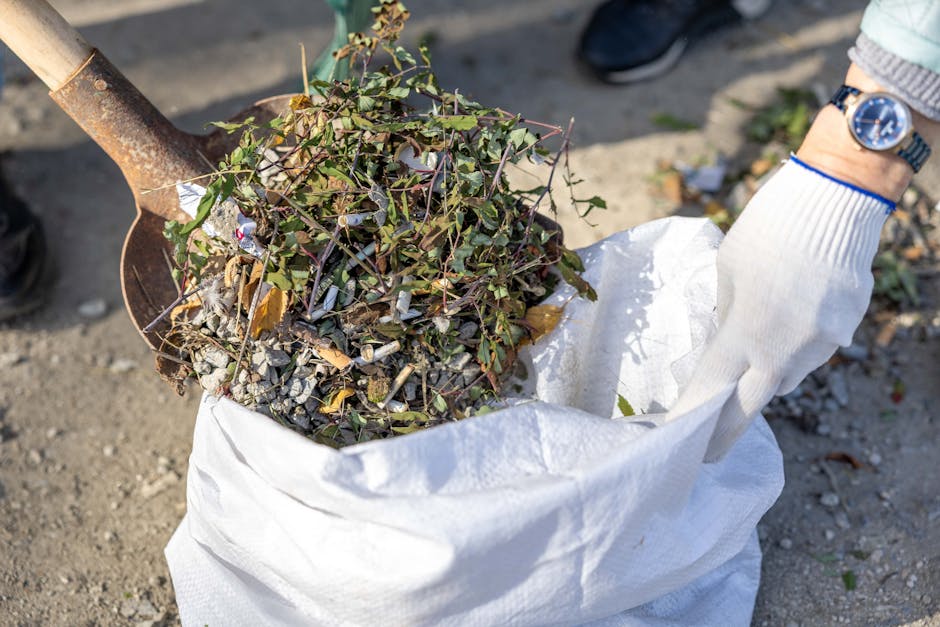
If your garden has tipped from "a bit untidy" into "I don't know where to start," you are not alone. A proper Cudham garden clearance by Aperfield gardeners same day help service is for those moments when the lawn has vanished under debris, the borders are tangled, or an overgrown corner is suddenly getting in the way of daily life. Maybe you need the space back before guests arrive. Maybe you are preparing for landscaping, hedge work, or a full refresh. Or maybe you just want the place to breathe again. Fair enough.
This guide explains what garden clearance usually includes, how same day help tends to work, where the value is, and what to watch out for before you book. You will also find a practical checklist, a simple comparison table, and advice on making the result last. If the job turns out to be bigger than expected, it helps to know the next sensible step rather than panicking in the middle of a pile of brambles. Let's make it straightforward.
Why Cudham garden clearance by Aperfield gardeners same day help Matters
Garden clearance is not just about making things look neat for a day or two. Done properly, it resets the whole outdoor space. Overgrown growth can hide uneven ground, stop you using patios and paths safely, make maintenance harder, and create a messy backdrop for everything else you want to do. In a place like Cudham, where gardens often have a mix of mature planting, boundary growth, and seasonal debris, a quick clean-up can make a very real difference to how the whole property feels.
Same day help matters because garden problems have a habit of arriving at the worst possible time. One windy evening and suddenly there are branches down. One burst of growth and the hedge is swallowing the path. One wet week and the lawn starts disappearing under clippings, leaves, or mud. In those cases, waiting a week can feel longer than it sounds. A fast response gives you momentum, and momentum is half the battle.
It also matters for safety. Loose cuttings, hidden stumps, slippery mossy patches, and stacked waste can all become awkward quickly. If children, pets, or older relatives use the space, the tidy-up is not merely cosmetic. It is part of making the garden usable again.
Key takeaway: same day garden clearance is most valuable when the space has become difficult to use, unsafe, or visibly overwhelming. The quicker the removal, the easier it is to move on to real improvements afterwards.
How Cudham garden clearance by Aperfield gardeners same day help Works
In practice, garden clearance usually starts with a brief assessment of what needs removing and how much access there is. That might include green waste, fallen branches, hedge cuttings, old plant material, weeds, broken pots, light rubble, or unwanted garden junk. A good clearance is not about rushing in with a big pile of bags and hoping for the best. It is a sequence: assess, separate, cut back, lift, load, and leave the area safe.
Same day help usually means the work is prioritised quickly after your enquiry. Depending on the scope, the team may be able to clear a manageable garden in one visit, or they may complete the urgent part first and arrange follow-up work for larger volumes. That approach is often more realistic than pretending every garden can be transformed in an hour. Truth be told, some spaces hide surprises. A bit of ivy here, a stump there, and suddenly the job has grown legs.
The best results come when the team knows whether you want a light tidy, a full clearance, or a clearance tied to another service such as hedge trimming, landscaping, or tree surgery. If you are not sure, say so. A clear conversation up front saves hassle later.
For broader support, many homeowners look at related services like ongoing garden maintenance, lawn care, or tree surgery when clearance reveals deeper problems under the surface.
Key Benefits and Practical Advantages
The obvious benefit is a cleaner garden. But there are several less obvious wins that matter just as much. Once the clutter is gone, the garden becomes easier to inspect, easier to plan, and easier to enjoy. You can finally see the shape of the space again. That sounds simple, but it changes everything.
- Faster access: paths, patios, side returns, and storage areas become usable again.
- Better safety: fewer trip hazards, fewer hidden edges, less slippery debris.
- Clearer planning: you can judge what needs keeping, pruning, repairing, or replacing.
- Reduced stress: a chaotic garden can quietly weigh on you; a cleared one feels lighter.
- Improved curb appeal: a tidy outside space can lift the whole property.
There is also a practical maintenance benefit. Once a garden has been cleared, future jobs tend to be easier and cheaper to manage because the groundwork is no longer hiding issues. For example, an overgrown patch may reveal damaged edging, compacted soil, or persistent weed pressure. Those things are easier to deal with once the area is visible.
If you are trying to move from "messy but manageable" to "properly usable," a good clearance often creates the first real turning point. After that, you can decide whether the next step is planting, turf repair, hedge shaping, or a simpler low-maintenance layout. The space starts speaking again, if that makes sense.
Who This Is For and When It Makes Sense
This kind of service suits a wide range of situations. You do not need a massive jungle of a garden to justify calling for help. Sometimes it is just the practical answer to a very specific problem.
- Busy homeowners: if you have not got the time, strength, or tools for a big tidy-up.
- Landlords and letting agents: when a rental property needs a quick reset between occupancies.
- Older residents: when the physical work is too much for one person.
- Families: if you want the outdoor space safer for children and pets.
- People preparing for work: if you are planning fencing, decking, paving, or new planting.
- Anyone facing seasonal mess: leaf fall, storm debris, hedge clippings, or spring growth rush.
It also makes sense when you are emotionally done with the space. That sounds a bit dramatic, but it happens. A garden that has been neglected for months can start to feel bigger than it is. Same day help can be the reset button. Not magic. Just relief.
If the issue is mainly a hedge, a more focused service like hedge trimming in Aperfield may be the better fit. If the problem is a complete mess across the whole site, clearance is usually the cleaner first move.
Step-by-Step Guidance
Here is a sensible way to approach garden clearance without overcomplicating it.
- Walk the garden first. Look for loose branches, buried objects, uneven patches, and anything that may be awkward to move.
- Separate priorities. Decide what must go today, what can stay, and what may need specialist treatment.
- Check access. Clear the route to gates, side passages, and storage areas so waste can be removed efficiently.
- Identify hazards. Be aware of broken glass, unstable stacks, hidden nails, or compromised structures.
- Choose the right service scope. Light tidy, full clearance, stump-related work, hedge reduction, or a combined visit.
- Book quickly if timing matters. Same day help works best when you explain the urgency clearly from the start.
- Follow through with a maintenance plan. A cleared garden stays better for longer if you set a simple routine afterwards.
In our experience, the people happiest with a clearance job are the ones who treat it as stage one, not the whole story. They clear the clutter, then decide what kind of garden they actually want. That second step matters more than people think.
If you need the result to lead into a proper refresh, it can be useful to read about starting a garden renewal journey or even ideas for a more contained layout like zen garden ideas.
Expert Tips for Better Results
A few small decisions can make a clearance job feel smoother and more complete.
- Be specific about what worries you. If there is a rotten tree stump, a slippery area, or a pile of mixed waste, mention it early.
- Ask what happens to the waste. Responsible handling matters, especially when the clearance includes bulky green material.
- Think about the next use of the space. If you want planting, play space, or seating later, the clearance should support that.
- Do not leave hidden problems for later. A small stump or invasive patch can return if it is ignored.
- Choose timing with the weather in mind. Damp ground, gusty conditions, or heavy leaf fall can slow things down a touch.
A useful trick is to keep a short note list before the team arrives. Nothing fancy. Just three bullets: what needs removing, what should be kept, and what you want the garden to feel like afterwards. That little bit of clarity saves a lot of back-and-forth.
If a stump is part of the problem, you may want to consider the options described in natural methods for removing tree stumps. If wind damage has left the space messy, the advice in minimising wind impact on your garden is also worth a look.
Common Mistakes to Avoid
Garden clearance looks simple from a distance, which is usually where the trouble starts. A rushed approach can create extra work, extra cost, or a garden that looks tidy but still behaves badly underneath.
- Leaving too much in place: if hidden waste or old plant material remains, regrowth and pests can follow.
- Ignoring access routes: blocked gates and narrow passages slow the work down and can make things awkward.
- Mixing jobs without a plan: clearance, pruning, stump removal, and landscaping are related, but not identical.
- Forgetting about disposal: the job is not finished until the waste is managed properly.
- Focusing only on appearance: a surface tidy without hazard checks can leave the real problems untouched.
There is also a classic mistake where people clear everything in one sweep and then realise they have removed useful structure too. A border marker, a climbing support, or a healthy self-seeded shrub may have been worth keeping. Hindsight is annoyingly sharp. A quick pause before removal helps avoid that.
If overgrowth includes ivy or persistent weeds, the background reading on keeping an ivy-free yard and weed control tips can help you avoid repeat problems after the clearance.
Tools, Resources and Recommendations
You do not need a shed full of gadgets to manage a basic clearance, but the right tools make a clear difference. For small jobs, the essentials are usually gloves, sturdy bags or tubs, secateurs, loppers, a rake, and a wheelbarrow. For heavier work, professional-grade cutting tools, stump removal approaches, and safe loading equipment become more relevant.
Useful support pages on this site include gardening services for broader outdoor help, patio cleaning if hard surfaces are buried under grime and debris, and lawn mowing when the grass has grown into the general chaos.
For long-term improvement, these related topics are also useful:
- preparing the garden for winter after seasonal clearance
- using organic material to improve soil once waste is sorted
- low-maintenance garden strategies for a simpler future layout
Sometimes the best resource is a clean slate and a calm plan. Sounds obvious, but that is often the difference between a temporary tidy and a real improvement.
Law, Compliance, Standards, or Best Practice
Garden clearance in the UK is usually straightforward, but there are still sensible standards to follow. Waste should be handled responsibly, and any work involving cutting tools, ladders, heavy lifting, or awkward access needs proper care. If materials are being taken away, the expectation should be that they are managed in line with normal waste responsibilities rather than dumped or left to linger. Common sense, really, but worth stating.
If the job involves trees, large branches, or anything that could affect boundaries, buildings, or power lines, it becomes more important to treat the work carefully and, where necessary, bring in specialist help. That is where tree-related support and safety awareness matter. Similarly, if the clearance exposes damaged fencing, loose paving, or unstable decking, it is sensible to deal with those follow-on risks before someone gets hurt.
For trust and transparency, it helps if the provider is clear about insurance, safety practices, complaints handling, and payment terms. Those are not flashy details, but they matter when you are letting people into your property and asking them to do physical work on site. You can review related information on insurance and safety, health and safety policy, terms and conditions, and payment and security.
If a job needs escalation or there is a concern after the visit, it is also useful to know the process behind complaints procedure. Good service is not only about the clearance itself; it is about how confidently you can deal with the whole experience.
Options, Methods, or Comparison Table
Not every garden problem needs the same kind of response. Here is a simple comparison to help you decide what level of help makes sense.
| Option | Best for | What it usually covers | Limitations |
|---|---|---|---|
| Light tidy-up | Minor mess, seasonal debris, manageable borders | Leaf collection, simple cutting back, basic waste removal | Not ideal for heavy overgrowth or larger waste volumes |
| Full garden clearance | Neglected gardens, overgrown areas, major reset jobs | Broad removal of waste, cuttings, weeds, and unwanted growth | May still need follow-up work for planting or repair |
| Clearance plus specialist work | Sites with stumps, tree issues, or structural garden damage | Combined clearance with tree surgery or related services | Needs more planning and may take longer |
| Clearance with maintenance plan | People who want a long-term tidy garden | Initial clearance followed by regular upkeep | Requires commitment, but usually pays off |
For many households, the best option is the middle ground: a firm clearance first, then a realistic upkeep rhythm later. No drama. No overpromising. Just a garden that behaves itself a bit better.
Case Study or Real-World Example
Picture a small Cudham rear garden after a windy, wet few weeks. The patio is partly hidden under cuttings, the back border has turned into a tangle, and a pile of green waste has been sitting by the fence for far too long. Nothing is dangerous enough to make a scene, but everything feels clunky. You can still use the space, just not comfortably.
In a case like that, same day help is usually about restoring access and making the space legible again. The first pass clears the obvious debris. The second pass deals with the stubborn bits: tangled stems, awkward branches, and the stuff that always seems to collect in corners. Once that is done, you can finally see whether the real issue is poor maintenance, invasive growth, or a deeper layout problem.
What tends to happen next is interesting. Once the clutter goes, the owner suddenly notices the patio needs cleaning, a hedge wants shaping, and one border could work better with ground cover. The garden starts telling the truth. That is the useful part. You stop guessing.
If a homeowner then decides to reshape the space, links to ideas such as garden seating concepts, ground covers suited to UK gardens, or fast-growing hedges for privacy can help guide the next phase.
Practical Checklist
Use this quick checklist before and after booking clearance help. It keeps the job focused.
- Identify the main problem areas in the garden.
- Separate what must be removed from what can stay.
- Check access paths, gates, and storage points.
- Note any stumps, broken structures, or hidden hazards.
- Decide whether you need clearance only or a broader service.
- Ask how waste will be handled and removed.
- Think about the garden's next use: play space, planting, seating, or simpler upkeep.
- Plan a follow-up task such as hedge trimming, lawn care, or patio cleaning.
- Keep an eye on regrowth after the first tidy-up.
- Set a small maintenance routine so the space does not slide back.
Practical summary: if the garden is messy but stable, a light tidy may do. If it is overgrown, hard to use, or hiding problems, a full clearance is the smarter choice. And if you are unsure, that is completely normal. Most people are. The trick is to start with the visible mess, then deal with what it reveals.
Get a free quote today and see how much you can save.
Conclusion
Cudham garden clearance by Aperfield gardeners same day help is really about regaining control of a space that has started to feel too big, too messy, or too awkward to enjoy. Fast help matters because it reduces stress, improves safety, and gives you a usable garden again without dragging the problem out for days. It is also the cleanest way to prepare for follow-up work, whether that is mowing, hedge shaping, tree care, or a full redesign.
Think of clearance as the first honest conversation with your garden. Once the clutter is gone, you can make better decisions. You can see the shape, the faults, and the opportunities. That is the point. Not perfection. Just a place that feels manageable again, and maybe even nice to be in. A bit of daylight back in the corners, that sort of thing.
If you are ready to move from overwhelmed to organised, the next step is simple enough: arrange the help you need, clear the space, and let the garden start fresh. Sometimes that small reset is exactly what a property needs.
Frequently Asked Questions
What does same day garden clearance usually include?
It usually covers the urgent removal of garden waste, cuttings, weeds, broken plant material, and light debris so the space is usable again quickly. Exact scope depends on the garden and access.
Is Cudham garden clearance by Aperfield gardeners same day help suitable for very overgrown gardens?
Yes, often it is. For larger or more tangled spaces, the team may focus on the most urgent areas first and then advise on follow-up work if the garden needs more than one stage.
How do I know whether I need clearance or garden maintenance?
If the main issue is immediate clutter, overgrowth, or blocked access, clearance is usually the right start. If the garden is already tidy but needs regular upkeep, maintenance makes more sense.
Can garden clearance help before landscaping work?
Absolutely. In fact, it is often the best first step. Clearing away waste and overgrowth makes it much easier to assess the ground, plan changes, and start construction or planting properly.
What should I tell the gardener before they arrive?
Explain what needs removing, whether there are stumps or large branches, and if there are any access issues. A quick note about pets, gates, or fragile areas is also very helpful.
Will the waste be taken away after the clearance?
Usually, yes, if waste removal is part of the arranged service. It is always wise to confirm how the debris will be handled before work begins so there are no surprises.
Do I need to be home for the clearance?
That depends on access and how the visit is arranged. Some people prefer to be present for the first walkthrough, while others simply make sure the team can get into the garden safely.
What if the garden has a stump or old tree roots?
Then the job may need an added stump-related or tree-related solution. A clearance can remove the clutter around it, but the stump itself may need different treatment.
Is same day help more expensive than a standard booking?
It can be, depending on urgency, timing, and the scale of the work. Rather than guessing, ask for a clear quote so you can compare value properly.
How can I keep the garden clear after the visit?
Small regular jobs help a lot: light weeding, periodic hedge trimming, lawn care, and quick debris removal after storms or windy weather. It does not have to be fancy. Just consistent.
What if I want a more private or peaceful garden after clearance?
That is a great next step. Once the space is cleared, you can look at privacy planting, seating areas, or calmer layouts. Ideas like secluded hedges or zen-style features can work well.
Where can I find more information about booking or policies?
You can explore the site's details on pricing, safety, terms, and company information, or review the relevant service pages to see what fits your situation best. That usually clears up most of the practical questions quite quickly.