Aperfield gardeners guide to Biggin Hill station front gardens
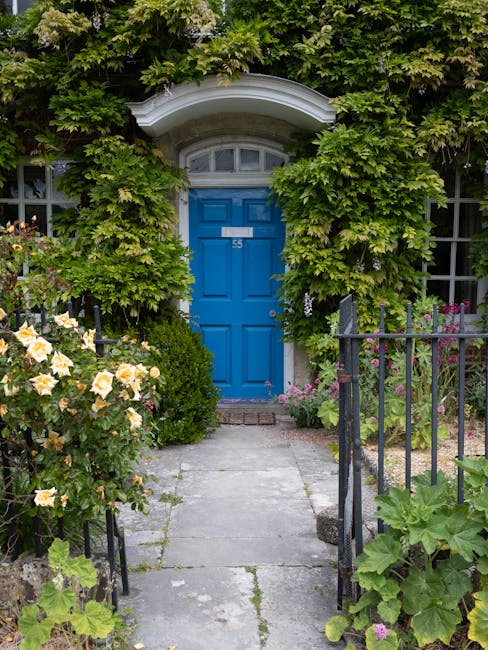
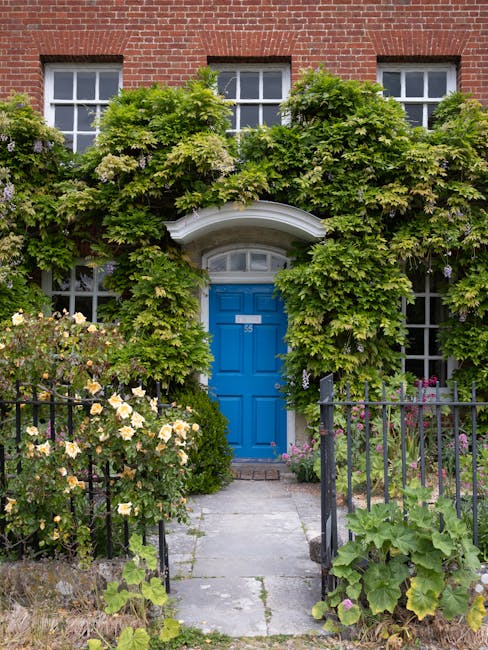
Front gardens do a lot of quiet heavy lifting. They greet visitors, soften hard edges, help a home feel cared for, and, in a busy place like Biggin Hill station, they can also make the street feel calmer and more welcoming. This Aperfield gardeners guide to Biggin Hill station front gardens is for anyone trying to create a neat, resilient, attractive front space that still works in real life, not just in a glossy photo. Whether you are dealing with narrow access, shade from neighbouring trees, traffic dust, or a layout that never quite feels balanced, the right approach can make a proper difference.
The good news? A front garden does not need to be elaborate to look polished. Often the best results come from simple structure, sensible planting, and maintenance that stays manageable month after month. Let's walk through what matters, how to plan it, and where a local gardener can save you time, stress, and a few blunt mistakes.
Table of Contents
- Why Aperfield gardeners guide to Biggin Hill station front gardens Matters
- How Aperfield gardeners guide to Biggin Hill station front gardens Works
- Key Benefits and Practical Advantages
- Who This Is For and When It Makes Sense
- Step-by-Step Guidance
- Expert Tips for Better Results
- Common Mistakes to Avoid
- Tools, Resources and Recommendations
- Law, Compliance, Standards, or Best Practice
- Options, Methods, or Comparison Table
- Case Study or Real-World Example
- Practical Checklist
- Conclusion
- Frequently Asked Questions
Why Aperfield gardeners guide to Biggin Hill station front gardens Matters
A front garden is the one part of a property that almost every passer-by sees. Around transport links and busier roads, that matters even more. A well-kept frontage can make a compact house feel larger, a dated property feel tidier, and a busy entrance feel easier to use. You may not think about it every day, but you do notice it when it is neglected. So does everyone else, frankly.
In the Biggin Hill station area, front gardens often have to work harder than rear gardens. They face more foot traffic, wind exposure, and a bit more grit from the road. They may also need to balance privacy with openness, especially where windows sit close to the pavement or a shared path. Good design here is not about making a showpiece. It is about making a front space look intentional, hold up through the seasons, and stay practical when the weather turns wet or blustery.
That is why local knowledge matters. A gardener who understands the rhythm of a south-east London or Kent edge property will usually think about drainage, shelter, maintenance cycles, and how much time a household can realistically spend on upkeep. In our experience, that last point is the one people underestimate most.
Expert summary: a strong front garden balances kerb appeal, privacy, access, and low-maintenance planting. If one of those four is ignored, the whole space tends to feel off.
If you are also tackling overgrown borders, tired turf, or awkward old shrubs, it may help to think of this as part of a wider refresh. The same planning mindset used in garden renewal work applies here too: clear the clutter, keep what earns its place, and shape everything around how you actually live.
How Aperfield gardeners guide to Biggin Hill station front gardens Works
The process is simpler than many people expect. First comes assessment. Then comes a practical design plan. After that, the garden is usually cleaned up, reshaped, planted, and set up for ongoing maintenance. The trick is not doing everything at once. The trick is doing the right things in the right order.
Start by looking at the bones of the garden: path, steps, boundary, soil condition, aspect, and drainage. A tidy border will not stay tidy if water pools at the edge every time it rains. Likewise, a beautiful plant choice will disappoint if the area is too exposed. The best front gardens use structure to make the planting easier, not harder.
Then think about function. Do you need space for bins? A clearer route to the door? More privacy from the street? A low hedge that frames the house without hiding it? These details shape the entire layout. A good front garden should make daily life smoother. It should not become a weekly battle.
From there, the work often includes soil improvement, pruning, edging, mulching, hedge shaping, weed control, and selecting plants suited to the light and exposure. If there are stumps or invasive roots in the way, that must be addressed first, because no amount of new planting will thrive on top of a problem that is still underground. For stubborn remnants, the guidance in natural tree stump removal methods can be useful background reading.
A neat finish matters too. Front gardens are seen up close. A slightly crooked edge or a tired patch of gravel stands out more than it would at the back. Small details do a lot of work here. More than people expect, to be fair.
Key Benefits and Practical Advantages
A well-planned front garden gives you more than visual appeal. It can make a property easier to maintain, more welcoming to guests, and more resilient through seasonal weather changes. It can even make the route from gate to door feel safer and less cluttered, especially in winter when dark evenings and damp paths are part of everyday life.
- Improved kerb appeal: a tidy frontage makes the whole property feel cared for.
- Better everyday use: paths, bins, planting, and access all feel easier to manage.
- Lower maintenance: the right plant choices reduce weekly workload.
- More privacy: structured planting or hedges soften views from the street.
- Better resilience: suitable plants and good soil preparation cope better with wind and rain.
- Greater property character: the front garden becomes part of the home's identity, not just leftover space.
There is also a mood benefit people overlook. A front garden that is calm, green, and ordered tends to make arriving home feel better. It sounds small, but it adds up. You see the same thing in compact urban spaces, where a little vertical planting or layered greenery can transform the feel of a doorway. If space is tight, the ideas in vertical gardening for smaller spaces and container gardening ideas can be surprisingly helpful.
Who This Is For and When It Makes Sense
This approach suits homeowners, landlords, and anyone responsible for the appearance of a front boundary near Biggin Hill station. It also makes sense if you are preparing a property for sale, trying to reduce maintenance, or simply tired of looking at a space that never seems to settle down properly.
It is especially useful if your front garden has one or more of these issues:
- patchy lawn that keeps thinning out
- overgrown hedges or shrubs blocking windows and paths
- weeds pushing through gravel or paving
- poor drainage after heavy rain
- little privacy from the road or passing pedestrians
- strong wind exposure
- faded or dated planting that no longer suits the property
If you have children or pets, the design needs a bit more thought. You want structure, but not sharp edges or messy plants that create hazards. If the front space is used as a transition zone rather than a hangout area, simplicity usually wins. For households thinking about safety and family use, the guidance in family-safe garden design is worth adapting to the front of the property too.
There are also times when a front garden upgrade is less about beauty and more about removing frustration. Maybe the hedge has become too dense. Maybe the old bed is full of ivy. Maybe the area is only a few square metres but still manages to look untidy every week. That is often the point where a professional reset is the smartest move.
Step-by-Step Guidance
1. Start with a clear view of the space
Stand at the gate and at the front door. Look at what you actually see first. Is the eye drawn to a cluttered bin area, a tired patch of soil, or a hedge that swallows the frontage? Those first impressions usually tell you where to start.
2. Clear out what is failing
Remove dead plants, invasive growth, broken edging, and any material that no longer serves the design. If you are dealing with unwanted roots or old stumps, deal with those before planting. Front gardens cannot carry dead weight. Not for long, anyway.
3. Fix structure before planting
Repair paths, define edges, and check whether the soil drains properly. This is the quiet groundwork that makes the rest of the project hold together. A front garden with good edging and a crisp boundary instantly feels more intentional.
4. Choose a simple planting scheme
Pick a small number of plants and repeat them. Repetition creates order, which is especially useful in small front gardens. A mix of evergreen structure, seasonal colour, and one or two softer ground layers often works well. If the site is exposed, you may want to look at ways to reduce wind impact before choosing anything delicate.
5. Add privacy carefully
Privacy in a front garden should feel gentle, not defensive. Low hedges, layered shrubs, and evergreen climbers can screen views without making the frontage look closed off. For inspiration, you may find fast-growing hedge ideas useful, especially if the goal is a subtle screen rather than a solid wall of greenery.
6. Keep the maintenance plan realistic
If you do not want to spend every Saturday morning tidying the garden, say so at the start. Low-maintenance front gardens rely on durable plant choices, good mulching, and sensible pruning intervals. The same principle is explored in low-maintenance garden strategies.
7. Finish with detail work
Edge the borders, tidy the path, refresh mulch or gravel, and remove any stray debris. This is where the garden starts to look polished rather than merely worked on. A neat finish can change the whole feel of a front space in under an hour. Sounds dramatic, but it's true.
Expert Tips for Better Results
Some improvements are small but make a big difference. Here are the things we would pay attention to first.
- Use repetition. Repeated plants or materials create calm in a frontage that could otherwise feel fragmented.
- Choose one strong focal point. That might be a statement container, a shaped hedge, or a tidy approach path.
- Keep sightlines open near the door. A welcoming entrance should feel easy to read, not hidden in foliage.
- Go for resilience over novelty. Front gardens face more stress than people think. Tougher plants usually give a better long-term return.
- Mulch properly. It suppresses weeds, improves moisture retention, and makes beds look finished.
- Plan for winter first. If a garden only looks good in summer, it is not really finished.
If you want a more distinctive frontage, evergreen structure is a reliable place to start. A clipped shrub or well-managed climber can keep the garden from looking bare in colder months. The advice on evergreen climbers and simple, calming garden ideas can help if you want something restrained but elegant.
One more thing: do not overfill a small front garden. People often think more plants equals more beauty. Sometimes it just means more pruning, more crowding, and more regret three months later.
Common Mistakes to Avoid
Front gardens tend to go wrong in predictable ways. Once you know the patterns, they are easier to avoid.
- Using too many plant types. The result can look busy and hard to maintain.
- Ignoring drainage. A soggy border will undo your efforts quickly.
- Choosing plants that hate the site. Sun-loving plants in shade, or delicate plants in exposed positions, usually struggle.
- Letting hedges get too large. Biggin Hill station front gardens often need scale control, not growth for growth's sake. A good shaping routine matters, and hedge trimming techniques can make all the difference.
- Forgetting access. A beautiful border that blocks bins, meters, or the doorway becomes a nuisance.
- Leaving ivy or roots unmanaged. These can quickly take over a front garden if ignored, as anyone who has wrestled with a stubborn fence line knows.
- Skipping seasonal maintenance. A front garden needs checks and resets through the year, not just one big tidy-up.
If weeds are the main issue, be practical. Persistent weeds are often less about bad luck and more about weak ground cover, poor edging, or compacted soil. The guide on weed control methods is a sensible companion here.
Tools, Resources and Recommendations
You do not need a shed full of specialist kit to keep a front garden looking good, but a few solid tools help a lot. The right tools also make the work faster and less frustrating, which matters when you are trying to keep maintenance realistic.
- Hand shears and secateurs: for shaping smaller shrubs and tidying growth.
- Sturdy edging tools: for crisp lawn and border lines.
- Spade and border fork: useful for planting and soil improvement.
- Weed puller or hoe: for regular control before weeds get established.
- Mulch or compost: to feed soil and reduce bare patches.
- Watering can or hose with care: especially useful for new plants in dry spells.
If you are building a front garden from scratch, it is worth starting with the basics rather than rushing into decorative extras. The article on must-have gardening tools is a sensible place to check your kit. And if the soil is tired, soil enrichment with organic matter can give your planting a better start.
For ongoing support, a local service that understands planting, pruning, turf care, and property presentation can be much more efficient than piecemeal fixes. Depending on the state of the space, useful starting points may include regular garden maintenance, lawn care, boundary improvements, or broader gardening services. If the front area also includes paving or a small terrace, patio cleaning and landscaping can round out the job nicely.
Law, Compliance, Standards, or Best Practice
Front garden work is usually straightforward, but there are still sensible best-practice points to keep in mind. If your property shares boundaries, avoid assuming ownership or maintenance responsibility without checking. If hedges, fences, or roots are near a shared line, it is worth being careful and documenting what you changed.
For any work involving heights, sharp tools, heavy lifting, or removal of large branches, safety matters. Reputable gardeners should use proper risk assessment, sensible access planning, and appropriate protective equipment. That sounds dry, but it is what keeps a tidy-up from turning into a problem. If a task feels more complex than routine pruning or clearing, the safer route may be professional support from a team with a clear health and safety policy and relevant insurance and safety information.
In the UK, it is also standard practice to work considerately around neighbours, access routes, waste removal, and noise. A front garden job may be small, but it happens in public view. Keeping the site tidy, managing green waste properly, and not blocking pavements or shared access are all part of professional good practice.
If you are asking for quotes, be clear about the scope: pruning, hedge shaping, removal of old shrubs, replanting, soil prep, and whether ongoing maintenance is needed. Transparent pricing avoids awkward surprises later. For service terms, payment arrangements, and expectations, it is sensible to review pricing and quotes, terms and conditions, and payment and security. If you ever need to raise a concern, the site's complaints procedure and about us pages are also there for reassurance.
Options, Methods, or Comparison Table
Not every front garden needs the same approach. Some are best kept minimal, some benefit from soft screening, and some need a full reset. Here is a simple comparison to help you choose the right path.
| Approach | Best for | Maintenance level | Main advantage |
|---|---|---|---|
| Minimal tidy-up | Healthy garden with decent structure | Low | Fast improvement with limited cost |
| Soft planting refresh | Frontages that feel dated or sparse | Medium | Better colour, texture, and kerb appeal |
| Privacy-led redesign | Homes close to the street or footpath | Medium | More screening without heavy barriers |
| Full renovation | Overgrown, tired, or poorly laid out gardens | Variable | Best for long-term transformation |
A practical way to decide is to ask one question: what is currently making the space feel worse than it should? If it is just weeds and clutter, a tidy-up may be enough. If the layout itself is awkward, a proper redesign is usually the better investment. And if the front garden has more hard landscaping than planting, you may also need to think about decking or other surface features as part of the wider plan.
Case Study or Real-World Example
One local-style example we see a lot is a narrow front garden with a cracked path, a tired lawn strip, and one stubborn hedge that has grown too wide for the space. The property looks fine from a distance, but up close it feels a bit cramped and unfinished. Nothing dramatic. Just messy enough to bother the owner every time they come home.
The fix is usually not complicated. First, the hedge is reduced to a more sensible width and shape. Then the lawn strip is either improved or replaced with a lower-maintenance planting area. After that, edging is tightened, soil is improved with compost, and a few evergreen plants are added to hold the structure through winter. If there are old tree remnants or rooty patches, those are cleared first so the new scheme has a proper base.
In one typical scenario, the biggest visual change comes from removing clutter and creating a better line from gate to door. That one move alone can make a frontage feel more spacious. Add a small amount of repetition in planting, and the whole garden starts to look designed rather than accidental. Truth be told, the transformation is often more about discipline than drama.
If the frontage faces traffic or wind, choosing tougher plants and keeping the soil mulched makes the result last longer. It is a simple formula, but it works. And if the household wants to keep the look clean without much effort, low-maintenance strategies are usually the smartest finishing touch.
Practical Checklist
- Check the front garden from the street and from the front door.
- Remove dead plants, weeds, and leftover debris.
- Inspect paths, edging, steps, and boundary lines.
- Identify any drainage issues or compacted soil.
- Decide whether privacy, colour, or simplicity is the priority.
- Choose a limited plant palette that suits light and exposure.
- Prune or reshape hedges before they become too dominant.
- Add mulch or compost to improve soil and reduce weeds.
- Confirm access for bins, deliveries, and everyday movement.
- Plan seasonal maintenance rather than one-off work only.
And if you want a more seasonal mindset, think ahead to colder months early. A front garden that looks good in July but struggles by November is only halfway done. The advice in winter garden preparation is worth keeping in mind even when the sun is out.
Conclusion
A front garden near Biggin Hill station does not need to be grand to be effective. It needs to be coherent, resilient, and easy enough to live with that it stays neat after the first burst of enthusiasm fades. That is really the heart of this Aperfield gardeners guide to Biggin Hill station front gardens: choose structure first, plant for the site, keep maintenance realistic, and avoid overcomplicating a space that should feel welcoming every single day.
Whether you want a calmer entrance, better privacy, or a cleaner street-facing presentation, the right plan will make the property feel more settled. Sometimes the result is subtle. Sometimes it is a bit of a revelation. Either way, a good front garden earns its place, morning after morning.
If you are ready to turn an awkward frontage into something neat, practical, and genuinely pleasant to come home to, start with a proper assessment and a clear plan. Small improvements stack up faster than most people expect, and that is often where the real satisfaction lives.
Get a free quote today and see how much you can save.
Frequently Asked Questions
What makes a good front garden near Biggin Hill station?
A good front garden balances kerb appeal, access, privacy, and low maintenance. In a busier location, it should also cope well with wind, rain, and everyday wear without looking fussy.
How do I make a small front garden look bigger?
Use fewer plant varieties, keep borders tidy, and avoid overcrowding. Clear paths and repeated planting shapes can make a small space feel more open and calm.
What are the best low-maintenance plants for a front garden?
Tough evergreens, well-behaved shrubs, and ground covers usually work well. The exact choice depends on light, wind exposure, and soil condition, so a site check helps a lot.
Should a front garden be mostly lawn, gravel, or planting?
There is no single right answer. Lawn needs more care, gravel can look neat but may need weed control, and planting gives softness and seasonal interest. The best choice depends on how much upkeep you want.
How often should front hedges be trimmed?
That depends on the species and growth rate, but many front hedges benefit from regular shaping rather than waiting until they are too large. A lighter, more frequent trim often gives a better result.
What should I do if the front garden has weeds everywhere?
Start by removing the weeds, then improve the soil or ground cover so they have less room to return. Edge definition and mulching can help too. If it keeps coming back, the issue is often structural, not just visual.
Can I create privacy without making the front of my house look closed off?
Yes. Low hedging, layered shrubs, and careful placement of screening plants can soften views without making the frontage feel fortress-like. That balance is often the sweet spot.
Is it worth paying for professional garden maintenance?
If the space is awkward, overgrown, or simply takes too much time, professional maintenance can be very worthwhile. It is especially useful when you want the front of the property to stay consistently tidy.
What kind of maintenance does a front garden need through the year?
Regular weeding, pruning, edging, and seasonal planting adjustments are the basics. In colder months, it also helps to check for drainage problems and weather damage.
Do I need to worry about safety in a front garden?
Yes, especially around paths, steps, tools, and heavy pruning work. Keeping routes clear and using appropriate care around sharp or elevated work is part of good practice.
How do I know whether I need a tidy-up or a full redesign?
If the garden's structure is sound, a tidy-up and planting refresh may be enough. If the layout feels awkward, the soil is poor, or the frontage is badly overgrown, a fuller redesign usually makes more sense.
Where should I start if I want help with my front garden?
Begin with a clear assessment of what is working and what is not. If you want a practical next step, review the service options and then speak to a local gardener who can guide you through the most efficient plan.