Aperfield garden maintenance pricing real cost explained
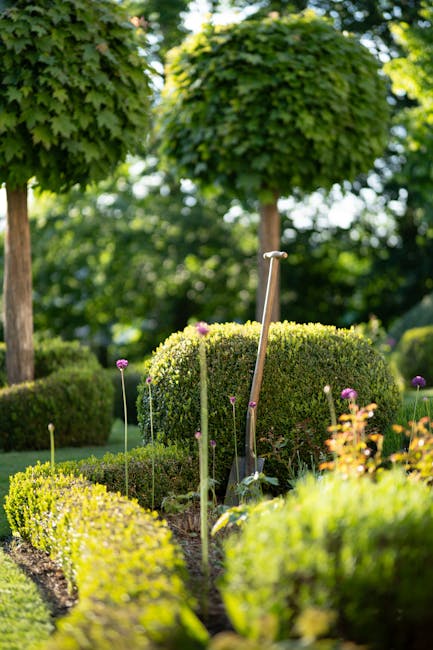
If you have ever looked at a garden and thought, "Why does this feel more expensive than it should be?", you are not alone. The truth is that Aperfield garden maintenance pricing real cost explained is rarely just a simple hourly rate. It is a mix of garden size, seasonal growth, access, waste removal, specialist tasks, and how tidy or overgrown things are when the work begins. In other words, the real cost is shaped by the garden itself, not just the job title.
This guide breaks the pricing picture down in plain English. You will see what garden maintenance usually includes, why quotes can vary so much, where hidden costs sneak in, and how to judge whether a price is fair. We will also cover practical ways to reduce the bill without cutting corners, which, let's face it, is what most people actually want.
Why Aperfield garden maintenance pricing real cost explained Matters
Garden maintenance sounds straightforward until you start comparing quotes. One gardener says the visit will be quick. Another prices it as a half-day. Someone else bundles in hedge cutting, weeding, lawn edging, and green waste removal, and suddenly the numbers are all over the place. That is why a clear understanding of cost matters before you book anything.
In Aperfield, as in much of Greater London, gardens are often shaped by practical constraints: narrow side access, mature planting, mixed surfaces, awkward boundaries, and seasonal surges in growth. A small-looking job can turn into a longer one because of access alone. A neat front garden may be easy; a rear garden with mature hedges, wet borders, and a patchy lawn is a different story entirely.
Cost clarity also helps you avoid two common problems. First, overpaying for tasks that should have been grouped more efficiently. Second, choosing the cheapest quote and then paying again later when the work is rushed, incomplete, or not maintained properly. A fair price should reflect time, skill, equipment, and disposal - not just how long it took to write the estimate.
Key point: the real cost of garden maintenance is not the number on the invoice alone. It is the value of keeping the space healthy, safe, and manageable over time.
If you want a broader sense of what a full service can include, it helps to look at a general garden maintenance service alongside specific add-ons such as lawn care or seasonal hedge work like hedge trimming in Aperfield.
How Aperfield garden maintenance pricing real cost explained Works
Most garden maintenance pricing is built from a few moving parts. Some companies quote hourly. Others quote per visit. Many use a hybrid approach, where routine tasks are charged as a fixed service but anything extra is priced separately. That can feel messy at first, but it is actually sensible because no two gardens are identical.
Common pricing models
- Hourly rate: useful for one-off clear-ups or gardens that are difficult to predict.
- Per visit: common for regular maintenance, especially if the tasks are repeatable.
- Seasonal package: a planned set of visits spread through the year.
- One-off project pricing: for overgrown gardens, reset work, or special jobs like patio clean-ups.
The real cost often depends on what happens before the gardener even starts. Are they doing a simple tidy? Is there waste to bag and remove? Is the lawn long enough to need multiple passes? Are the hedges tall enough to require ladders or specialist equipment? These details matter. A lot.
In practical terms, the price is shaped by five main factors:
- Garden size and layout. Bigger areas take longer, but awkward access can matter just as much.
- Condition at the start. A well-kept garden is faster to maintain than one that needs a reset.
- Task mix. Mowing, weeding, pruning, edging, and jet washing are not priced the same way.
- Waste handling. Green waste collection, loading, and disposal can add real time and cost.
- Frequency. Regular visits are often more efficient than a long, occasional rescue job.
This is why the "real cost explained" part matters. A quote that looks low may exclude everything that actually takes time. A quote that looks high may include the waste, the tools, the labour, and the follow-up. The detail is what decides whether the price is fair.
Key Benefits and Practical Advantages
Good maintenance pricing is not just about avoiding surprises. It helps you make better decisions for the long term. When costs are transparent, you can plan ahead, prioritise the right jobs, and keep the garden from sliding into the "we'll deal with it later" trap. We have all seen how that ends.
- Better budgeting: you can spread work across the year instead of facing one huge bill.
- Healthier planting: timely pruning, feeding, and weed control support stronger growth.
- Safer outdoor spaces: clear paths, trimmed edges, and tidy boundaries reduce trip hazards.
- Less stress: the garden stops becoming a guilty little project hanging over you.
- Improved curb appeal: a well-maintained garden lifts the whole property's feel, even on a grey afternoon.
There is also a practical comfort in knowing what you are paying for. If your quote includes routine mowing, you can compare it with a dedicated lawn mowing visit. If your patio needs more than a sweep, it may be worth asking whether patio cleaning is included or separate. That kind of clarity prevents the awkward "oh, that was extra" conversation later.
And to be fair, a sensible maintenance plan can save money in the longer run. Regular care often prevents larger problems such as overgrown hedges, compacted lawns, damaged borders, or stubborn weeds spreading into places you will later regret ignoring.
Who This Is For and When It Makes Sense
This topic matters to more people than you might think. It is not only for homeowners with large gardens. It is for anyone who wants to keep outdoor space manageable without spending every weekend wrestling with it.
This is especially useful if you are:
- a homeowner trying to compare quotes properly
- a landlord keeping outdoor areas presentable between tenancies
- a busy household that wants regular upkeep without the hassle
- someone with limited time, mobility, or tools
- an owner of a mature garden that needs seasonal attention
- a new resident deciding whether a garden needs a clean-up or an ongoing plan
It also makes sense when your garden has a few specific pressure points. Perhaps the hedge grows quickly after a wet spell. Perhaps the lawn never quite settles because of shade and foot traffic. Perhaps weeds keep returning around paving and borders. In those cases, a regular visit can be more economical than repeated emergency fixes.
There is a sweet spot where maintenance becomes worth it: when the space is used often enough that neglect becomes visible, but not so intensely that you need a full landscaping overhaul. If the garden is in rough shape, a one-off reset through garden renewal work may be the better starting point before regular care begins.
Step-by-Step Guidance
If you want to judge pricing properly, follow a simple process. It keeps you grounded and helps you compare like with like. Sounds basic, but it saves a lot of confusion.
- List the tasks you actually need. Separate mowing, hedge cutting, weeding, leaf clearance, pruning, and patio work.
- Measure or estimate the garden size. You do not need engineering precision, just enough to show scale.
- Note problem areas. Steep access, narrow gates, uneven ground, overgrowth, or lots of hard landscaping all influence cost.
- Decide on frequency. Weekly, fortnightly, monthly, or seasonal visits will produce very different quotes.
- Ask what is included. Waste removal, fuel, edging, and finishing touches should be clear from the start.
- Compare the same scope. Two quotes only make sense if they cover the same work.
- Check what happens if the garden changes. For example, if the hedge suddenly doubles in growth, how is that handled?
That last point is easy to overlook. Then, one windy month later, you are staring at a much bigger bill than expected. A good provider should explain how extra work is approved before it happens.
If your garden includes trees, stumps, or root problems, the cost picture changes again. A maintenance quote may not cover specialist removal, and that is completely normal. For those situations, it helps to understand options like the natural methods for removing tree stumps guide or professional tree surgery where appropriate.
Expert Tips for Better Results
The smartest way to keep costs sensible is not to chase the cheapest quote. It is to make the garden easier and faster to maintain. Small changes can make a noticeable difference.
- Keep access clear. A tidy side path and open gate can save valuable time.
- Group tasks together. One visit for mowing, edging, and weeding is usually more efficient than three separate calls.
- Choose the right frequency. If growth is fast in spring, a shorter regular cycle can be cheaper than repeated big jobs.
- Cut back high-maintenance features. Fussy borders, fast climbers, and dense hedges need more labour than many people expect.
- Use mulch wisely. It can reduce weeding time and help keep borders neater.
- Keep an eye on seasonal spikes. Autumn leaf fall and late-summer growth often increase the workload.
One small practical tip: if you know the garden needs a proper reset, do not try to disguise it. A clear starting point usually gets you a more honest price. A gardener can work with overgrowth, sure, but they cannot fairly price what they cannot see.
Also, if you are trying to make the garden easier to maintain long-term, it can help to rethink the planting style. Low-maintenance borders, hardier ground cover, and simpler bed shapes often reduce future labour. If that sounds like your situation, the article on sustainable and affordable low-maintenance garden strategies is a useful companion read.
Common Mistakes to Avoid
Most pricing headaches come from the same few mistakes. Nothing dramatic. Just ordinary oversights that add cost later.
- Comparing quotes without checking what is included. A lower figure can hide missing tasks.
- Assuming waste removal is free. It often is not.
- Ignoring access issues. Narrow side passages and long carry distances take time.
- Booking maintenance too infrequently. The "do it all at once" approach usually costs more overall.
- Forgetting seasonal work. A spring tidy and an autumn clear-up may need different pricing.
- Choosing short-term cheapness over consistency. A cheap one-off that leaves the garden messy is not really cheap.
There is another sneaky one: not asking about finish level. Some people are happy with a light tidy. Others want the lawn edged, paths swept, and borders crisp enough to look photo-ready. Those are different standards. The price should reflect that.
And yes, if you are the kind of person who wants the garden looking immaculate before visitors arrive, the extra detail work is exactly what drives time. No mystery there.
Tools, Resources and Recommendations
You do not need a shed packed with kit to understand pricing, but a few tools and habits help. Good pricing conversations are easier when both sides are looking at the same picture.
Useful things to have ready before requesting a quote
- a rough garden sketch or photos
- notes on access, gates, steps, and parking
- a list of tasks that matter most
- an idea of how often you want visits
- details of any awkward features, such as tall hedges or slippery paving
If you are building your garden with maintenance in mind, it is worth thinking about planting choices and structure too. For example, evergreen climbers can add softness without constant seasonal replanting, while ground covers can reduce weeding in exposed beds. A few relevant reads include evergreen climbers for darker corners and ground covers that suit a UK garden.
If you prefer a more relaxed garden layout, a little strategic design can reduce future upkeep. A seating area, a clear mowing strip, and simpler bed edges often make maintenance more efficient. The article on garden seating concepts can help if you are thinking beyond basic upkeep.
Law, Compliance, Standards, or Best Practice
Garden maintenance is not heavily regulated in the way some trades are, but there are still sensible standards and responsibilities to keep in mind. Any reputable provider should work safely, protect property, and handle waste properly. In the UK, that usually means using sensible working practices, keeping equipment in safe condition, and making sure rubbish or green waste is managed responsibly.
If machinery, ladders, sharp tools, or access near boundaries are involved, safe working becomes more than a formality. That is why a company's approach to health and safety matters. It is also sensible to understand how they manage insurance and safety, especially for larger or more complex jobs.
Best practice also includes clear communication. A proper quote should explain the scope, exclusions, and any likely extras. Payment terms should be understandable. If something goes wrong, there should be a fair route for handling it; that is where a clear complaints procedure becomes useful rather than just decorative website text.
For customers, best practice is simple too: be honest about the condition of the garden, keep expectations realistic, and ask questions before the work starts. That little bit of clarity saves a lot of back-and-forth.
Options, Methods, or Comparison Table
Different maintenance approaches suit different gardens. Here is a practical comparison to help you choose the right level of service.
| Approach | Best for | Typical upside | Possible downside |
|---|---|---|---|
| One-off tidy-up | Overgrown or neglected gardens | Fast reset and visible improvement | Can feel expensive if problems return quickly |
| Regular maintenance visits | Busy households and rental properties | Predictable upkeep and better control | Requires ongoing budget commitment |
| Seasonal maintenance | Gardens with spring/autumn pressure points | Targets peak growth periods efficiently | Not ideal for fast-growing spaces all year round |
| Project-based care | Gardens needing specialist tasks | Flexible and tailored | Less predictable if tasks keep expanding |
If the garden is already beyond basic upkeep, regular maintenance may only make sense after a reset. That can involve broader work such as landscaping or, for access and boundary issues, even fencing improvements. Those are not always needed, of course, but they matter when the space itself is driving the maintenance cost.
Case Study or Real-World Example
A typical Aperfield garden might start like this: a medium-sized rear garden, a lawn that has gone a bit too long between cuts, a hedge along one boundary, a few weedy borders, and a paved path collecting moss after the rain. Nothing dramatic. Just a garden that has quietly slipped out of shape.
The first visit is usually the most expensive because the team needs to catch the space up. The lawn may need more than one cut. The hedge might need shaping rather than just trimming. Weeds need removal before they spread. The patio may need sweeping or a deeper clean. Waste removal takes time too, and by the end of the visit the garden feels transformed, but the bill reflects that first heavy lift.
After that, the ongoing cost usually drops. Why? Because routine maintenance is easier than rescue work. A fortnightly visit can keep growth under control, prevent the lawn from becoming straggly, and stop borders from turning into a small jungle in the corner. Not glamorous, but it works.
This is where pricing starts to make sense. The real cost is not "how much per hour?" It is "how much work is needed to keep the space at the standard I want?" That subtle shift changes the conversation completely.
Practical Checklist
Before you approve a quote, run through this quick checklist. It keeps things grounded and prevents surprises.
- Have I listed every task I want included?
- Do I know whether waste removal is included?
- Have I explained access, parking, and any awkward corners?
- Is this a one-off tidy, regular care plan, or seasonal visit?
- Have I asked how extra work is priced if the garden needs more than expected?
- Do I understand whether mowing, edging, pruning, and cleaning are separate?
- Have I compared quotes on the same scope?
- Do I know what level of finish I am paying for?
- Have I considered whether the garden would be easier to maintain with small design changes?
- Am I comfortable with the provider's terms, safety approach, and payment process?
If you have answered "no" to more than a couple of those, pause and ask a few more questions. It is much cheaper to clarify now than to sort out a misunderstanding later.
For anyone looking to make the garden easier to live with long term, a few lifestyle-focused ideas can help too. The guides on zen garden ideas, pet-friendly garden design, and child-safe garden planning all point toward spaces that are easier to manage as well as nicer to use.
Get a free quote today and see how much you can save.
Conclusion
Once you strip away the jargon, Aperfield garden maintenance pricing real cost explained comes down to one thing: what work is truly needed, how often it is needed, and how difficult the garden is to maintain in practice. A fair price should feel specific, not vague. It should match the condition of the space, the tasks requested, and the standard you want to keep.
Most people do best with a simple, honest conversation. Show the garden as it is. Say what matters most. Ask what is included. Compare apples with apples, not a polished quote against a half-written one. That way, you are buying clarity as much as labour.
And honestly, that is what makes a good garden service feel worth it. Less second-guessing. Less "I'll deal with it next weekend." More time outside, with the garden looking like it belongs to you again. On a bright morning, that matters more than the price line ever will.
Frequently Asked Questions
How much does garden maintenance usually cost in Aperfield?
It depends on the garden size, condition, access, and tasks included. A tidy, regular maintenance visit is usually priced very differently from an overgrown one-off clear-up, so the real cost is best judged by scope rather than a single headline number.
Why do two garden maintenance quotes look so different?
One quote may include waste removal, edging, pruning, and clean-up, while another only covers the basic labour. Different assumptions create different prices, even when the gardens look similar at first glance.
Is it cheaper to book regular maintenance instead of one-off visits?
Often, yes. Regular upkeep is usually easier and quicker than rescuing a garden that has been left for months. Over time, scheduled visits can reduce the need for large, expensive catch-up jobs.
What is usually included in a garden maintenance quote?
Common inclusions are mowing, weeding, hedge trimming, edging, pruning, leaf clearance, and tidying. Always check whether waste removal, materials, and specialist tasks are included, because that changes the final price.
Do I need to pay extra for green waste removal?
Very often, yes. Waste removal takes time, bags, transport, and disposal handling. Some services include it, some price it separately, and some only remove a limited amount.
How can I reduce the cost without lowering quality?
Keep access clear, group tasks into one visit, maintain the garden regularly, and be clear about priorities. Small design choices, like simpler borders or lower-maintenance planting, can also reduce future labour.
What if my garden is badly overgrown?
An overgrown garden usually needs a one-off reset before regular maintenance begins. That first visit is often more expensive because it takes longer and creates more waste, but it can make future upkeep much more affordable.
Are hedge cutting and lawn mowing priced separately?
They can be. Some maintenance plans bundle them together, while others treat them as separate jobs. If your garden needs both, ask for a combined quote so you can compare properly.
Does patio cleaning belong in garden maintenance pricing?
Sometimes yes, sometimes no. It depends on the provider and the service level. If paving, moss, or algae are part of the work you want, check whether patio cleaning is included or quoted separately.
How do I know if a quote is fair?
A fair quote should clearly explain the tasks, frequency, access assumptions, waste handling, and finish level. If anything feels vague, ask for a breakdown before agreeing. A proper quote should make sense when you read it twice.
What should I do before asking for a quote?
Take photos, note the garden size, list the jobs you need, and mention any access issues. The more accurate your description, the easier it is to get a realistic price rather than a rough guess.
Can seasonal work be cheaper than year-round maintenance?
It can be, if your garden only needs help at certain times of year. But for fast-growing or heavily used gardens, regular visits may still work out better because they prevent bigger problems later.
Should I choose the cheapest quote?
Not automatically. Cheapest is only good value if the scope is clear, the work is done properly, and the garden stays manageable. Sometimes the middle quote is the sensible one, because it is the one that actually covers what you need.
For a final step, if you want help comparing a real maintenance plan with your garden's actual condition, start with a clear review of the space and ask for a properly itemised quotation. A calm, well-planned garden is rarely an accident - but it is absolutely achievable.